About ORSIF
Protecting healthcare workers from the dual hazards of the fluoroscopy lab
Our Mission
ORSIF — the Occupational Radiation Safety in Interventional Fluoroscopy Foundation — exists to protect healthcare workers from the dual hazards they face every day in fluoroscopy laboratories: ionizing radiation exposure and musculoskeletal injuries from heavy protective equipment. As a 501(c)(3) nonprofit, we provide free, evidence-based education, advocacy, and resources to ensure that every healthcare professional can finish their career healthy.

The Problem
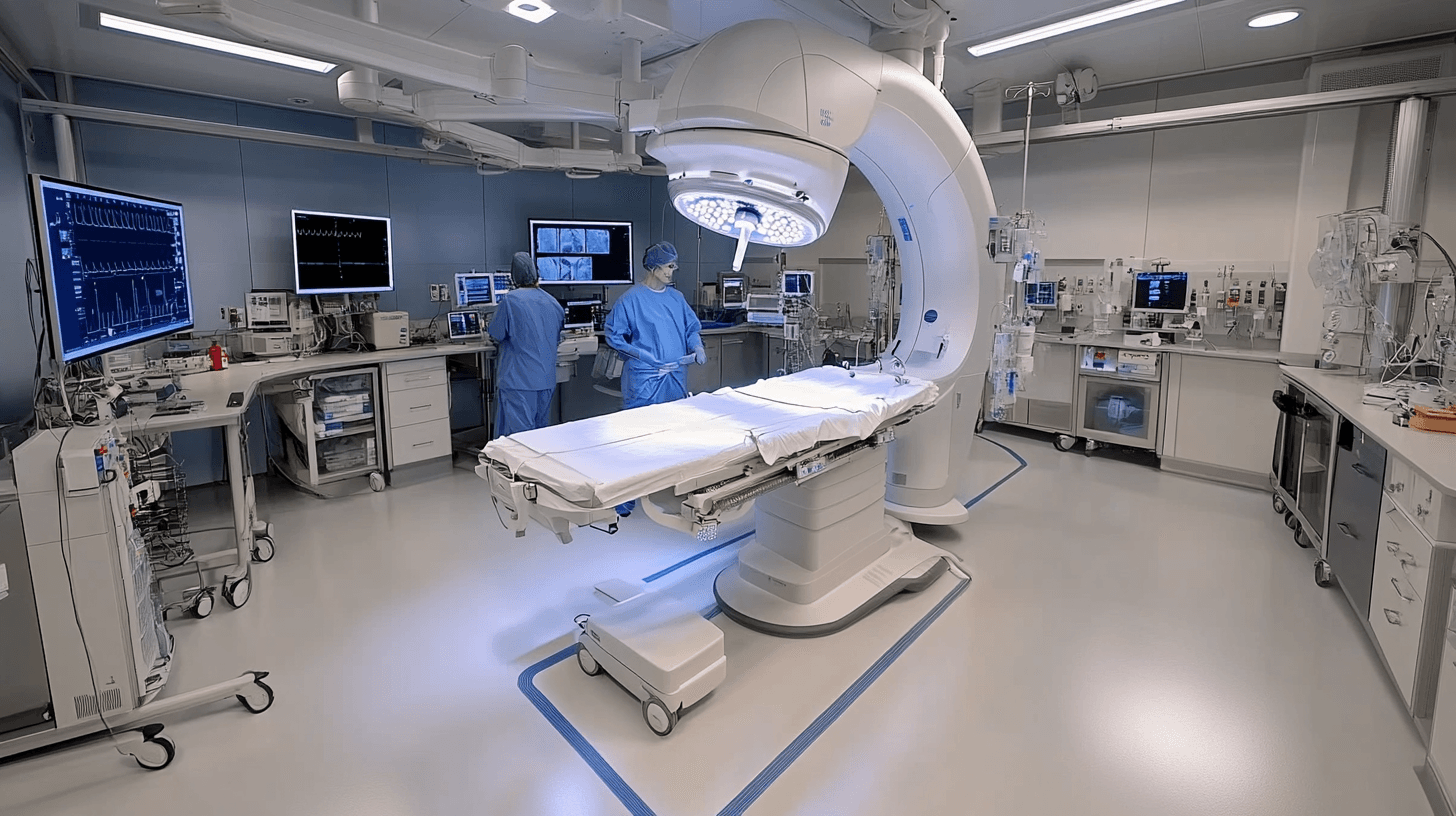
Healthcare workers in fluoroscopy labs face two simultaneous threats that compound over a career.
Radiation Exposure
Interventional cardiologists and other fluoroscopy professionals receive up to 10× more radiation than diagnostic radiologists. With 24 million fluoroscopy procedures performed annually in the US alone, cumulative exposure leads to a 6.1% lifetime cancer incidence — three times the rate of the general population. 85% of brain tumors in affected operators occur on the left side, consistent with radiation exposure patterns. Meanwhile, US dose limits remain 7.5× less protective than international standards recommended by the ICRP.
Musculoskeletal Injuries
Traditional lead aprons and thyroid shields weigh 15–25 pounds. Wearing them for hours daily during procedures causes chronic back pain, cervical disc disease, and career-ending orthopedic injuries. The SCAI 2023 Survey found that 59.8% of healthcare workers report orthopedic injuries — up from 49.4% in 2014 — and 20% have been forced to limit their time in the cath lab as a result.
Our Position
ORSIF advocates for systemic change to protect the healthcare workforce.
US Radiation Limits Must Align with International Standards
The US eye lens dose limit is 150 mSv/year — 7.5× higher than the ICRP recommendation of 20 mSv/year. OSHA's ionizing radiation standards haven't been updated in over 50 years. ORSIF advocates for adopting the stricter international standards to protect American workers.
Workers Must Have Access to Modern Protection Alternatives
Lightweight, non-lead protection systems and radiation-reducing technologies exist today. Every worker should have access to equipment that doesn't trade one occupational hazard for another.
Facilities Must Invest in Enhanced Protection Systems
Ceiling-suspended shields, robotic-assisted systems, and advanced dose-reduction technologies can dramatically reduce both radiation exposure and ergonomic burden. Facilities have a responsibility to invest in these systems.
Data and Transparency Drive Accountability
Real-time dosimetry, comprehensive exposure tracking, and transparent reporting are essential. Workers deserve to know their cumulative exposure and institutions must be accountable for protection standards.
No Worker Should Face Preventable Cancer or Injury
With 41% of interventional cardiologists considering quitting and a projected shortage of 8,650 cardiologists by 2037, protecting the workforce isn't just ethical — it's essential for patient care.
By the Numbers
24M+
Fluoroscopy Procedures Annually
IAEA, 2023
6.1%
Cancer Incidence
SCAI 2023 Survey
85%
Left-Brain Tumor Predominance
Goldstein et al., EuroIntervention
59.8%
Orthopedic Injuries
SCAI 2023 Survey
Resources
Free, evidence-based tools and resources for radiation safety professionals.

206 FAQs
Comprehensive radiation safety Q&A

US Guidelines
State and federal radiation regulations

International Guidelines
Global radiation protection standards

Admin Toolkit
Safety checklists and assessment tools

Economic Study
$88.7M annual economic impact analysis

Research Articles
555+ peer-reviewed articles
Join the Movement
ORSIF membership is free. Join hundreds of healthcare professionals working to make fluoroscopy labs safer.